Why I Almost Deleted My Best Photos of Japan


The £90 Gamble
On my recent trip to Japan, I made a choice that goes against every "serious" photography guide out there. I left my bulky, high-end lenses at home. Instead, I opted for productive laziness: a tiny, £90 "pancake" lens that turned my Sony Alpha into a pocketable street-photography machine.
The lens in question? The Viltrox 28mm f/4.5 FE. At just 15mm thick and weighing roughly 60g, it felt like the ultimate tool for a 30,000-step-a-day itinerary.
It includes a built-in lens cover, so no lens caps to fiddle about with when you just want to grab the camera quickly for a few shots.
The Mid-Trip Crisis
By Day 4 in Kyoto, I was ready to bin it. Squinting at the back of my camera in the bright October sun, the images looked… off. The focus seemed fuzzy, the colours looked flat, and I was painfully aware that this budget lens lacked digital stabilisation.
I felt that familiar pang of gear regret. "I should have brought the macro lens," I thought.
I eventually stopped using the Sony altogether and reverted to my iPhone for the rest of the trip.
The Homecoming Shock
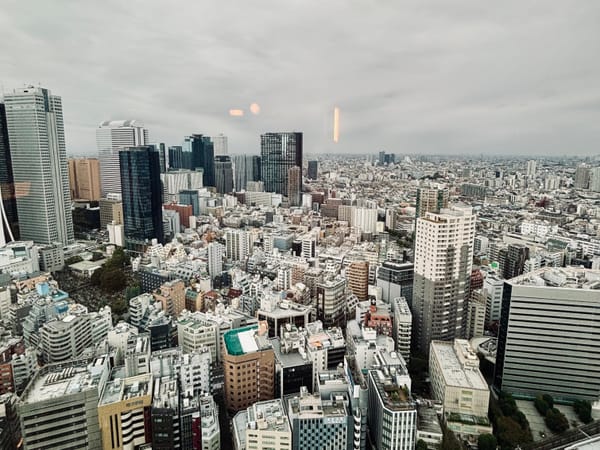
When I got back to the UK and loaded the files onto my laptop, I was stunned. Those "fuzzy" Tokyo snapshots weren't fuzzy at all—they were sharp, vibrant, and full of character. The lens had captured the bustling energy of Shinjuku and the textures of Kyoto beautifully.

It turns out, the lens wasn't the problem. My camera was lying to me.
Why Camera Screens "Lie" to You
If you’ve ever had a moment where your photos look better (or worse) on a monitor than they did in the field, here is the technical reality of why that happens:
• Low-Res Previews: Most cameras (especially older models) don't show you the actual RAW file on the LCD. They show a tiny, highly compressed JPEG preview. On a small, 3-inch screen, fine details get "smushed," making perfectly sharp photos look out of focus.
• The Brightness Trap: To see your screen in daylight, you often crank the LCD brightness to max. This washes out the contrast and makes your well-exposed shots look overexposed or flat.
• Colour Gamut: Your laptop or iPhone uses a high-end display (often OLED or Liquid Retina) with a massive colour range. Your camera’s 10-year-old LCD simply cannot reproduce those colours, making a "Gold Hour" sunset look like a muddy orange mess.
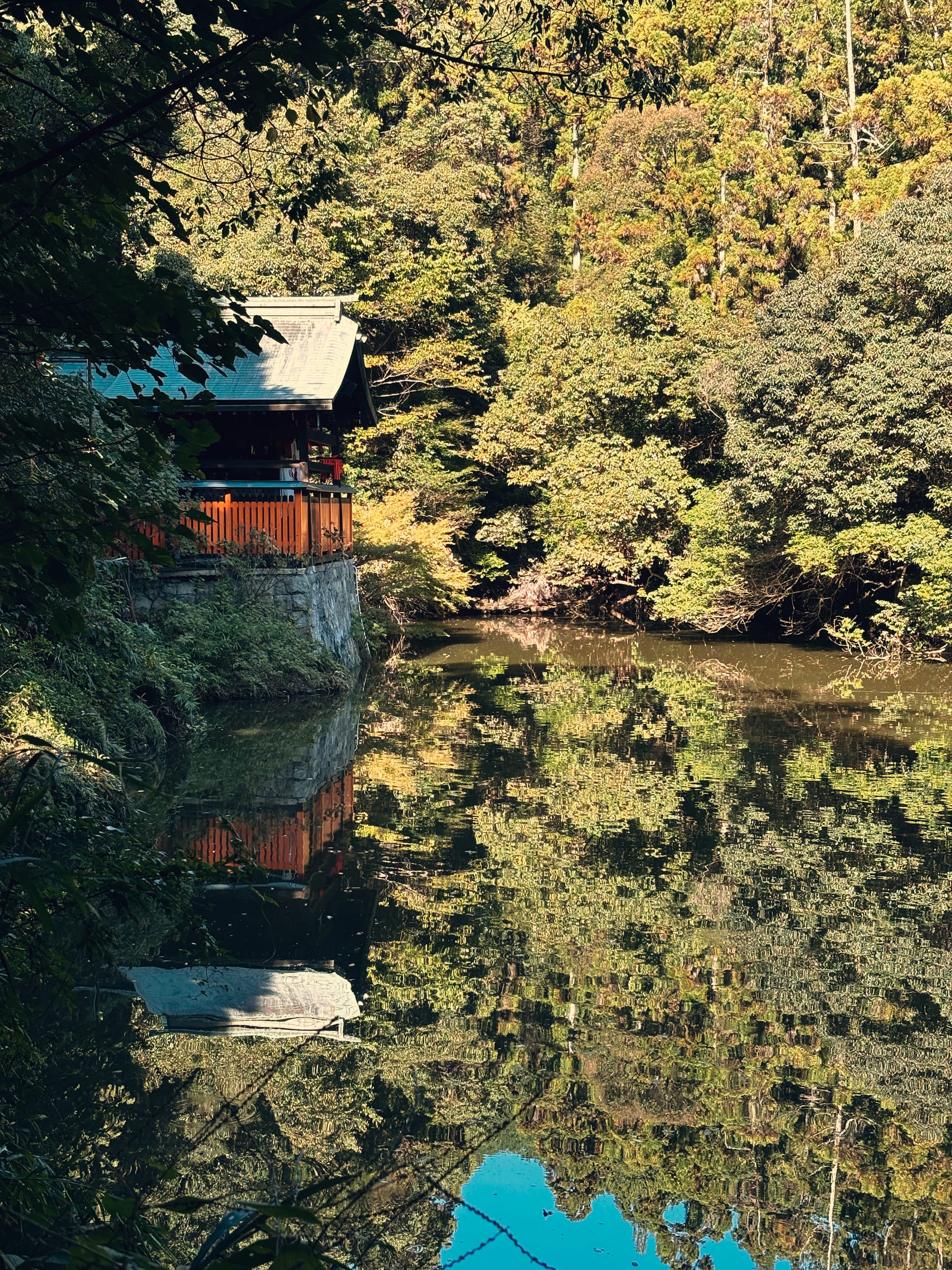
The Verdict: Viltrox 28mm f/4.5
Despite its fixed f/4.5 aperture (which means it’s not great for low-light night shots), this lens is an absolute steal for the weight-conscious traveller. It forced me to be more opportunistic and less "precious" about my gear.
The Lesson: Trust your settings, not your screen. Use your Histogram and Focus Magnifier to verify your shots, and don't let a tiny LCD screen talk you out of using a great piece of glass.
What’s Next?
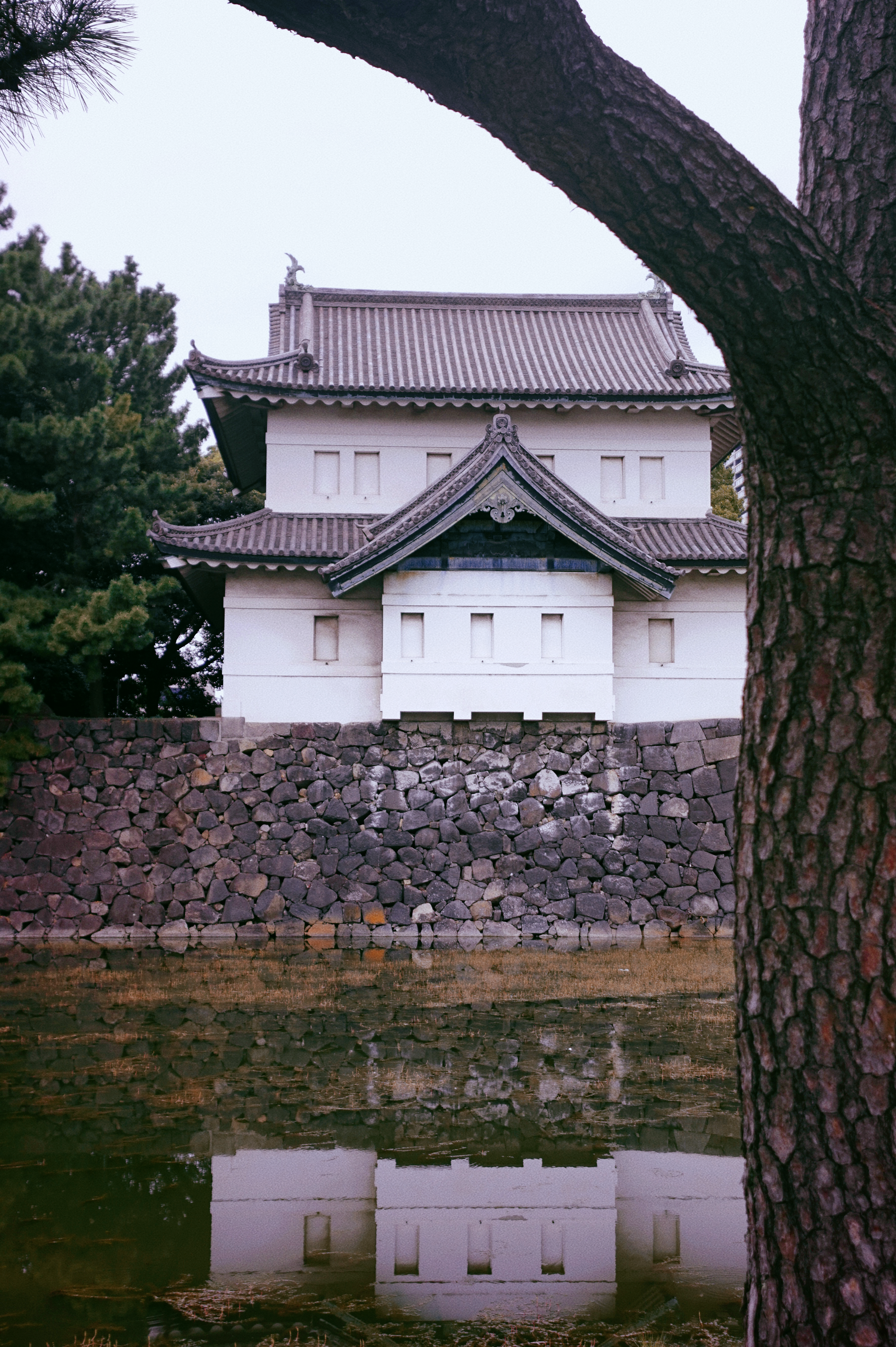
Now that I know I can trust this lens, I’ll be taking it with me on future trips to try and do it justice.